The Art of Giving Old Buildings New Life
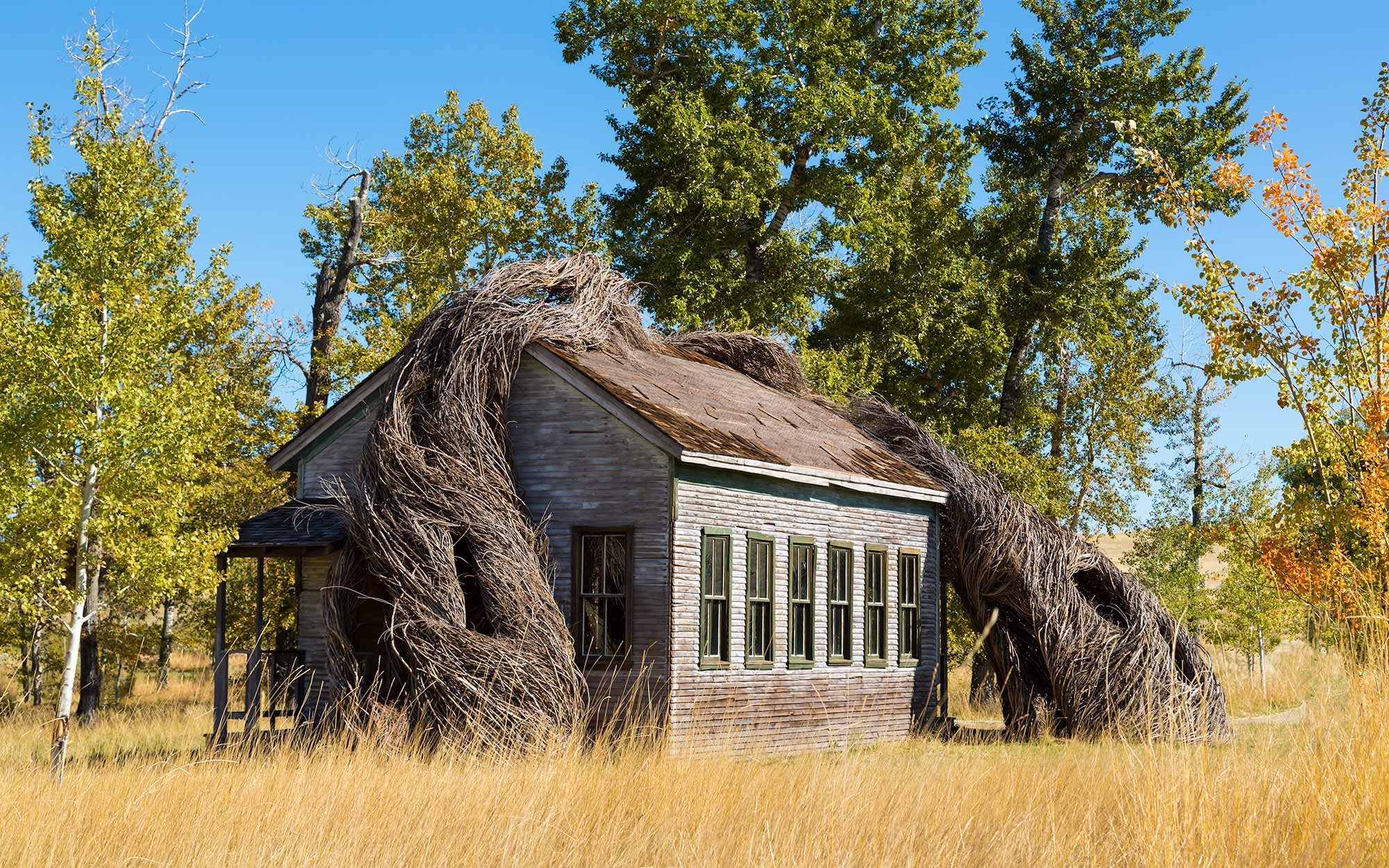
Highlighting and reinvigorating historic character and significance is a craft that demands thoughtful design solutions. Cushing Terrell’s team of historic preservationists is equipped with knowledge of the most granular aspects of the built environment — aspects that transcend a moment in time.
Your Full-Service Historic Preservation Team
Cushing Terrell’s Historic Preservation team offers a wide range of historic preservation design, reporting, and planning services throughout the United States.
Our in-depth expertise covers materials and systems, building behavior and pathologies, historic materials and their uses and resiliency, and how weather and other outside factors impact both structural integrity and character-defining features. This knowledge provides our team with a substantial background for constructing and implementing preservation plans.
We offer full architectural services for all phases of architectural and engineering projects including preservation, restoration, rehabilitation, adaptive reuse, reconstruction, and sensitive new contextual design.
We’re constantly working to bridge the past and the future, using new technologies to study, preserve, and improve old buildings.
Ava Alltmont
Historic Preservation Architect
Cushing Terrell
Historic Buildings Reimagined
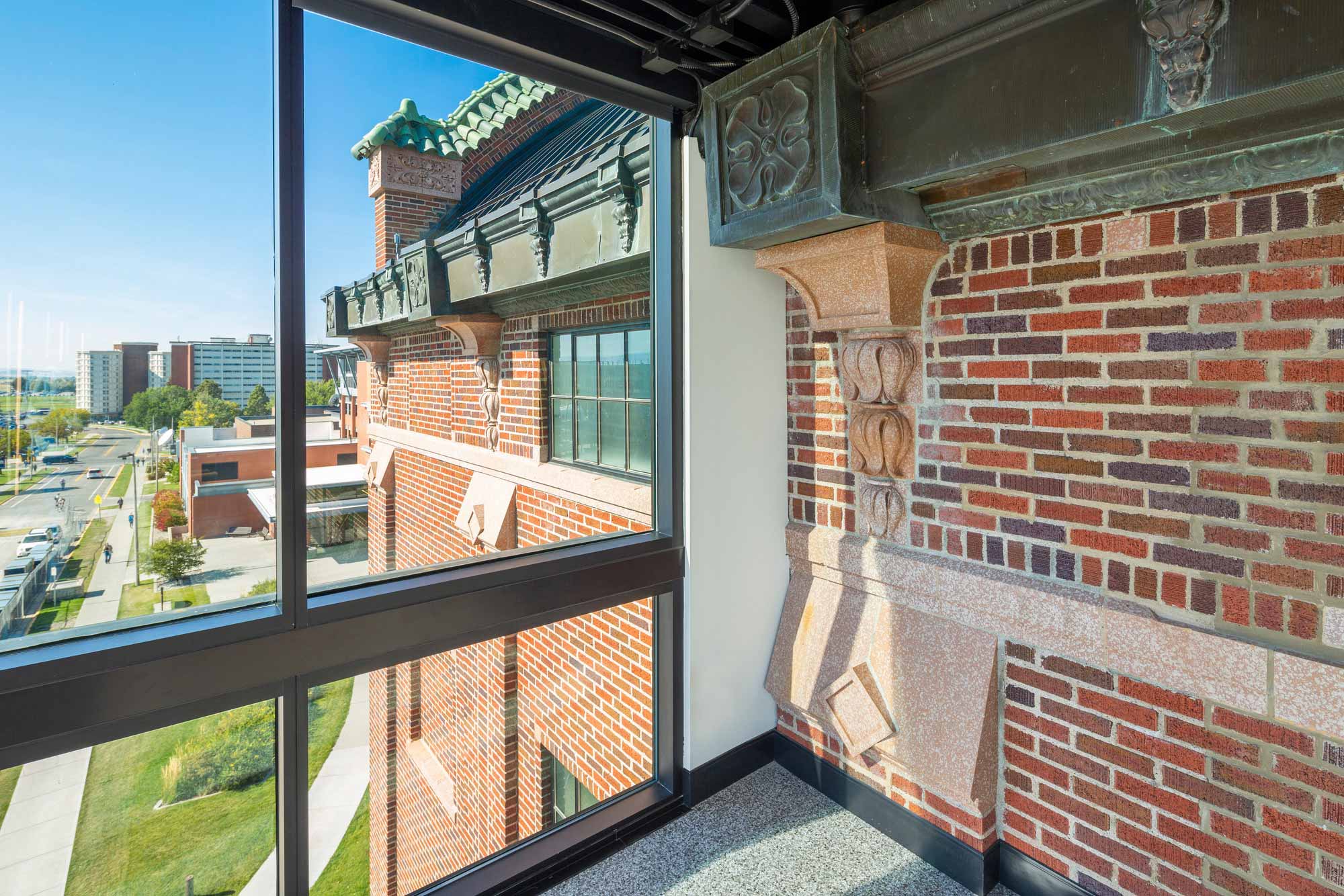
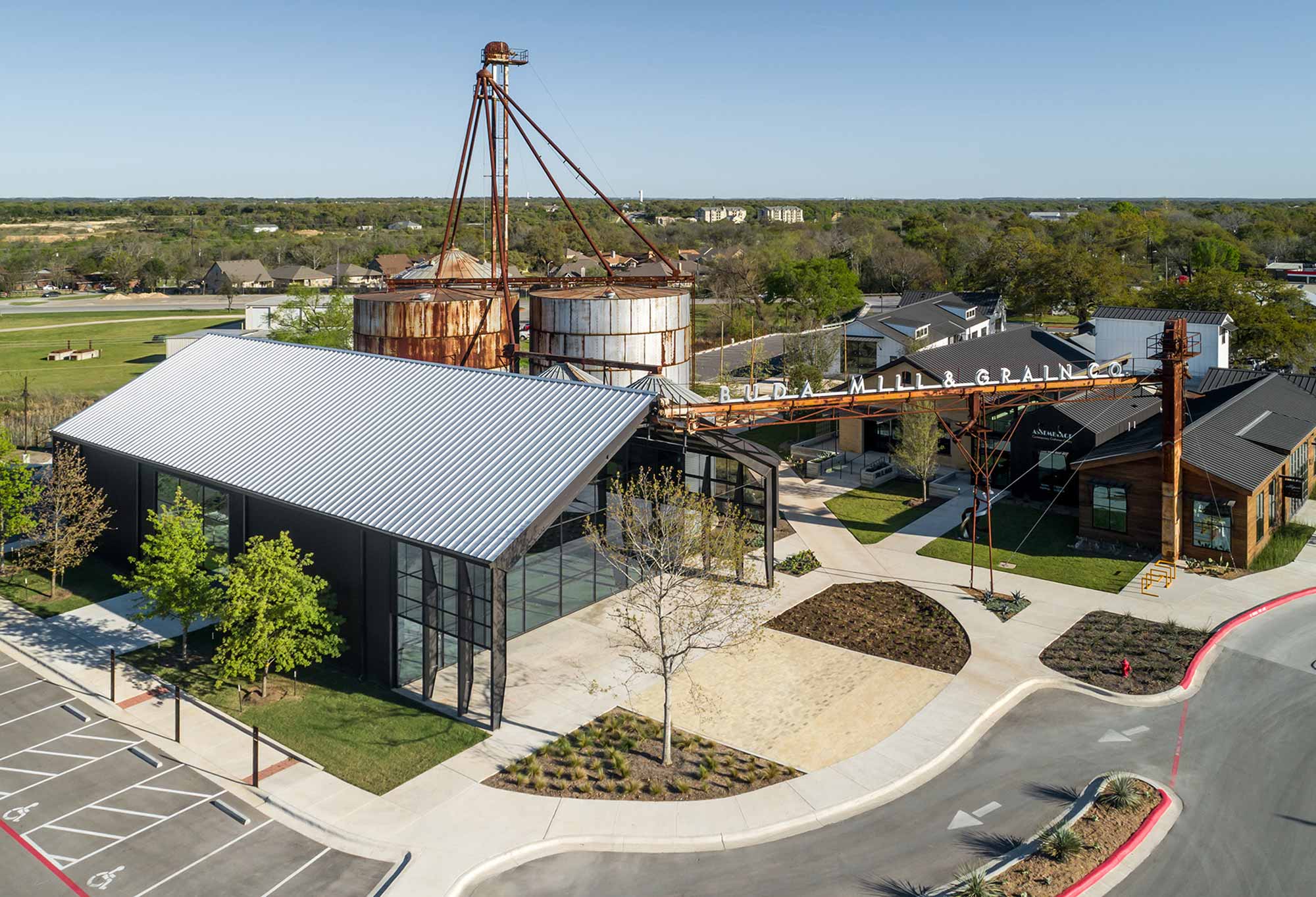
Our teams can advise on the adaptive reuse of buildings, an approach that values a structure’s original look and feel but revitalizes it with a new purpose. The benefits of adaptive reuse include:
Maintaining cultural heritage by repurposing properties for modern needs.
Reducing a community’s carbon footprint by maintaining existing materials. Adaptive reuse of a building can save 50-75% of embodied carbon.
Minimizing urban sprawl by using existing structures that often make up a city’s core.
Collaborative and Technology-Enabled
Much of our historic preservation work occurs in parallel with Cushing Terrell’s other disciplines. We collaborate with architects, building envelope specialists, structural and civil engineers, electrical and mechanical engineers, and interior designers to bring forward unique solutions specific to each project’s needs.
From ground-penetrating radar to 3D building scanning, advanced in-house technology solutions help us fully understand the project at hand. We constantly seek out opportunities to incorporate new technologies, testing, and computer modeling into the planning and documenting stages of our process.
How Our Team Can Support Your Project
Identification and documentation of historic resources through research, fieldwork, and evaluation of their historic importance.
Historic American Building Survey (HABS), Historic American Engineering Record (HAER), and Historic American Landscape Survey (HALS) documentation of a historic building, structure, or landscape through limited research, photography, producing measured as-built drawings of existing conditions, and developing written narratives.
Documentation and assessment processes to identify the presence of cultural resources, determination of their significance, definition of the area in which cultural resources might be impacted by proposed work, evaluation of alternatives, assessment of potential impact, and formulation of mitigation measures.
Development of narratives to support the eligibility of the project throughout a three-part process to obtain federal tax credits for historic rehabilitation work. Optional services may include applications for local incentives or state tax credits. Part 1 of the process focuses on descriptions of the building and its significance. Part 2 describes the condition of the building and the proposed rehabilitation work, which is evaluated in accordance with the Secretary of the Interior’s Standards for the Treatment of Historic Properties. Part 3 of the application is submitted after the work is complete and the National Park Service certifies that the project meets the standards and is a “certified rehabilitation.”
Research and documentation of the history of a building, site, structure, or district to determine whether the property meets the National Register Criteria for Evaluation, known as a determination of eligibility. Optional services may include nominations for local or state designation.
Research and development of narratives pertaining to the historical development of a place, evaluating its significance and integrity, and formulating treatment recommendations that safeguard the significance of the place while facilitating appropriate change.
Development of recommendations for the integration of historic preservation principles into the master planning design process by utilizing historic contexts to inform proposed interventions.
Analysis and best practice guidance on future use opportunities and historic building maintenance including the integration or updating of existing systems that may impact historic buildings.
Standing services tailored to suit a local government’s needs to support the development or administration of its historic preservation program, including design review and case management, development of reports, and policy/regulations review.
Compliance reviews to support developments that involve historic properties as part of discretionary planning review, environmental compliance review, or grant applications.
Ordinance review, amendment recommendations, and interpretations of the practical application of existing ordinances to development applications.
Pre-purchase enquiries or development opportunities analysis that examines existing historic properties and further outlines development opportunities and challenges for owner consideration. In addition, services can include construction monitoring and on-site mitigation advice where impacts to historic properties can arise.
Development of impact assessments or justification statements that utilize preservation principles to assess the impact of certain interventions or to develop a justification for contemplated works in accordance with the Secretary of the Interior’s Standards for the Treatment of Historic Properties.
Representation in planning appeals or as an expert witness in related proceedings, including the development of proofs of evidence for written representations and presentations at hearings.
Review of documentation and evaluation of on-site work-in-progress or completed work to assess whether regulations, standards, or local guidelines have been satisfied and the development of mitigation strategies where historic properties are impacted.
Collaboration with property owners and Main Street entities to develop rehabilitation strategies, concept through to detailed design, characterization of existing and future desired states, and guidelines for a historic Main Street.
Historic preservation planning that documents an overview of an area’s historic significance and informs the development or amendment of design guidelines to safeguard the historic character and appearance of the place.
Thought Leadership From Our Blog


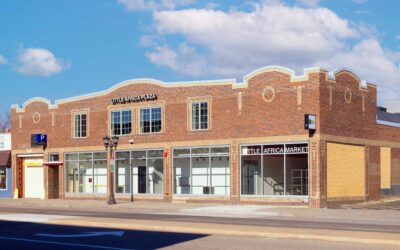
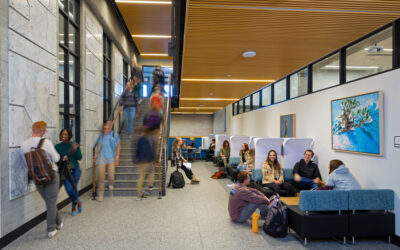
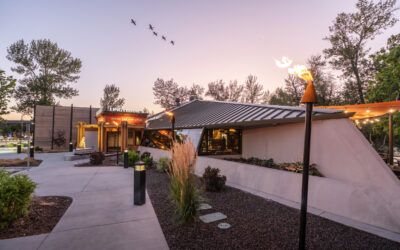
Recognition
Citation Award & Special Category Award for Renovation, Adaptive Reuse, and Preservation in Architecture | October 2025
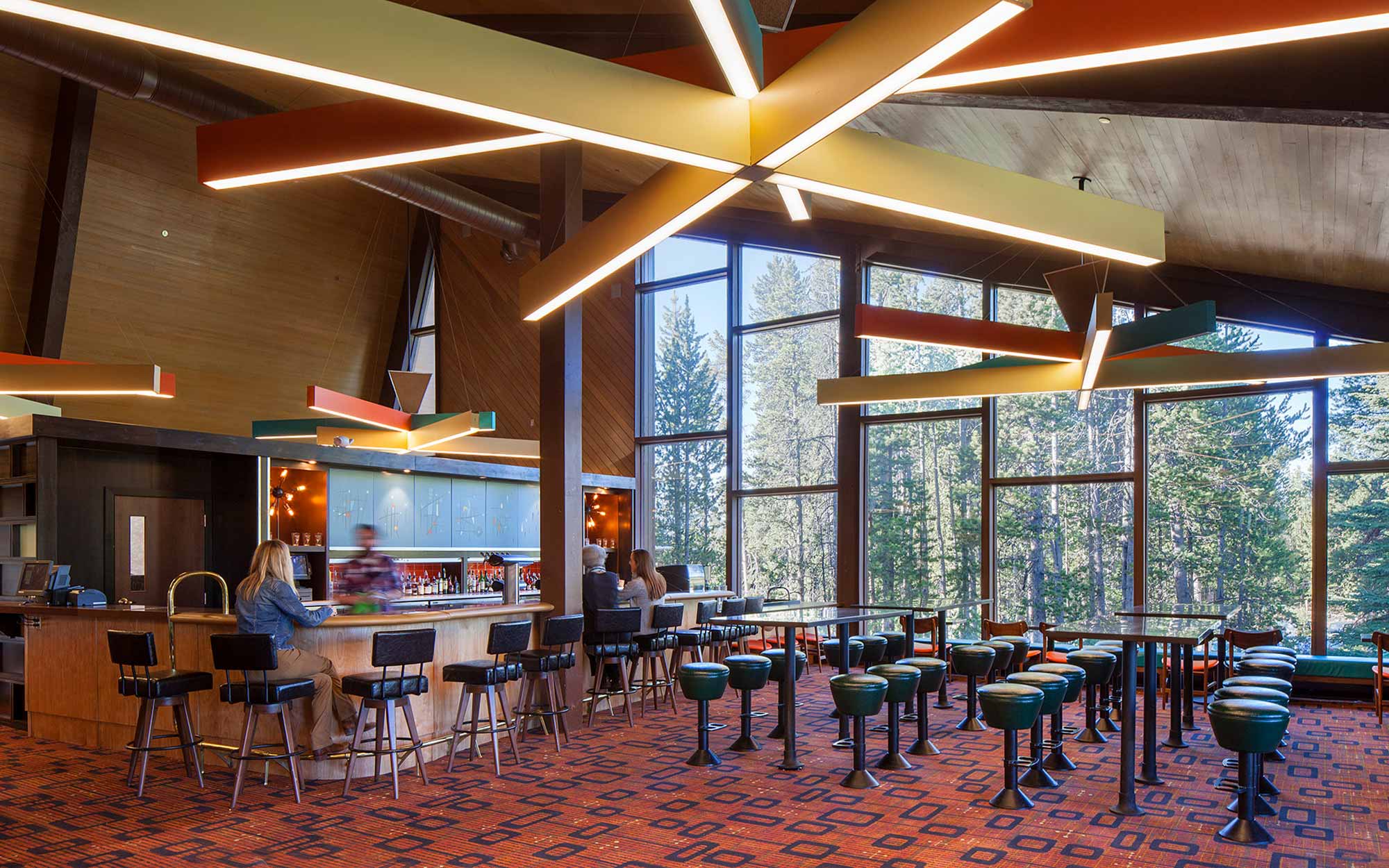
Ling & Louie’s Asian Bar and Grill; Boise, ID
AIA Idaho Design Awards Awards
Stewardship Award | November 2023
LBJ Suite Furnishings Conservation; U.S. General Services Administration; Austin, TX
Preservation Austin Merit Awards
Historic Preservation Award of Adaptive Reuse | 2022
Romney Hall at Montana State University; Bozeman, MT
City of Bozeman Historic Preservation Advisory Board
Honorable Mention, Preservation | September 2021
Alberta Bair Theatre; Billings, MT
Yellowstone Preservation Society
Grow Smart Award | December 2020
Tenth and Main Building; Boise, ID
Idaho Smart Growth
Top Projects People’s Choice Award (Renovation) | September 2020
Tenth and Main Building, Kount Tenant Improvement; Boise, ID
Idaho Business Review
Lewis & Clark County Historic Preservation Award | June 2019
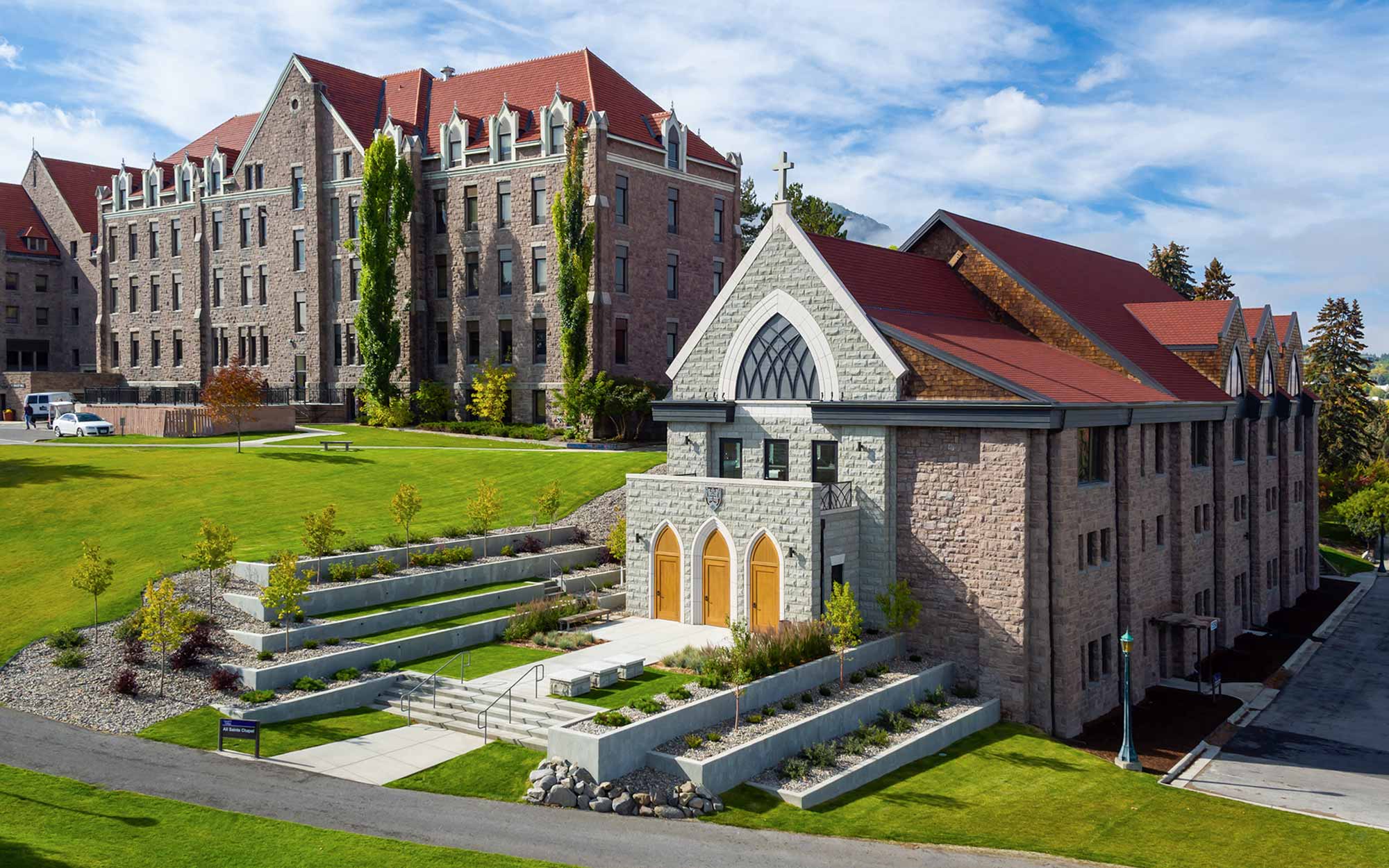
Carroll College Chapel; Helena, MT
Lewis & Clark County Commission
Building Performance, Existing Building | 2019
Cushing Terrell [formerly CTA] Office; Billings, MT
USGBC Mountain West Leadership Awards
Building Excellence Awards, Mayor’s Choice | 2019
Tenth and Main Revitalization; Boise, ID
City of Boise Building Excellence Awards
Outstanding Achievement in Historic Preservation | April 2018
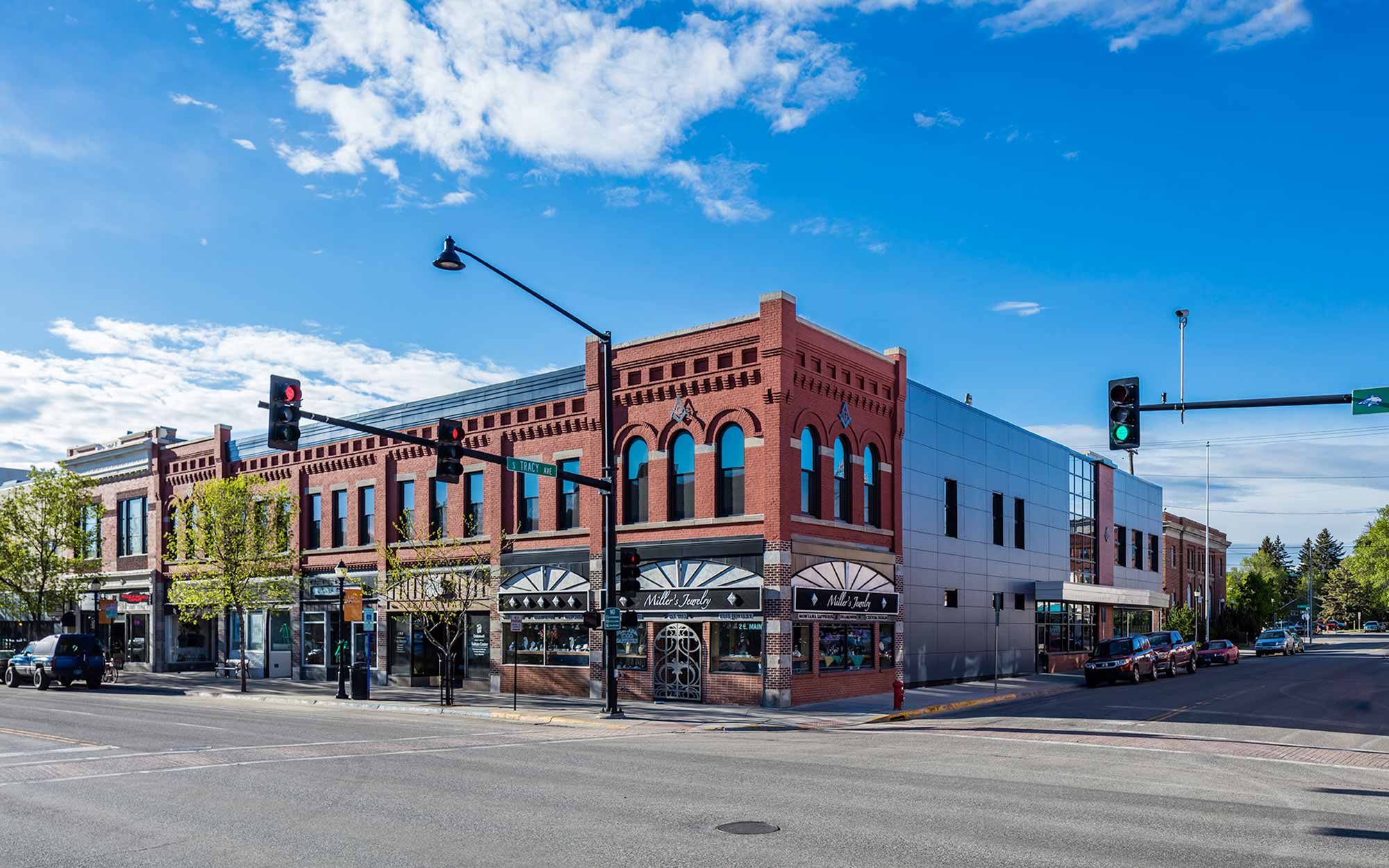
Masonic Temple Lodge No. 18 Rehabilitation; Bozeman, MT
Bozeman Planning Department
Preservation Excellence Award | June 2018
Masonic Temple Lodge No. 18 Rehabilitation; Bozeman, MT
Montana Preservation Alliance
Beautification Award | November 2017
Masonic Temple Lodge No. 18 Rehabilitation; Bozeman, MT
Bozeman Beautification Advisory Board
Public-Private Organizations, Most Compatible Addition Award | May 2017
St. Patrick House, St. Patrick Hospital; Missoula, MT
Missoula Historic Preservation Commission
Montana Historic Preservation Award, Outstanding Heritage Stewardship| January 2017
[Building Owner: Billings School District 2]
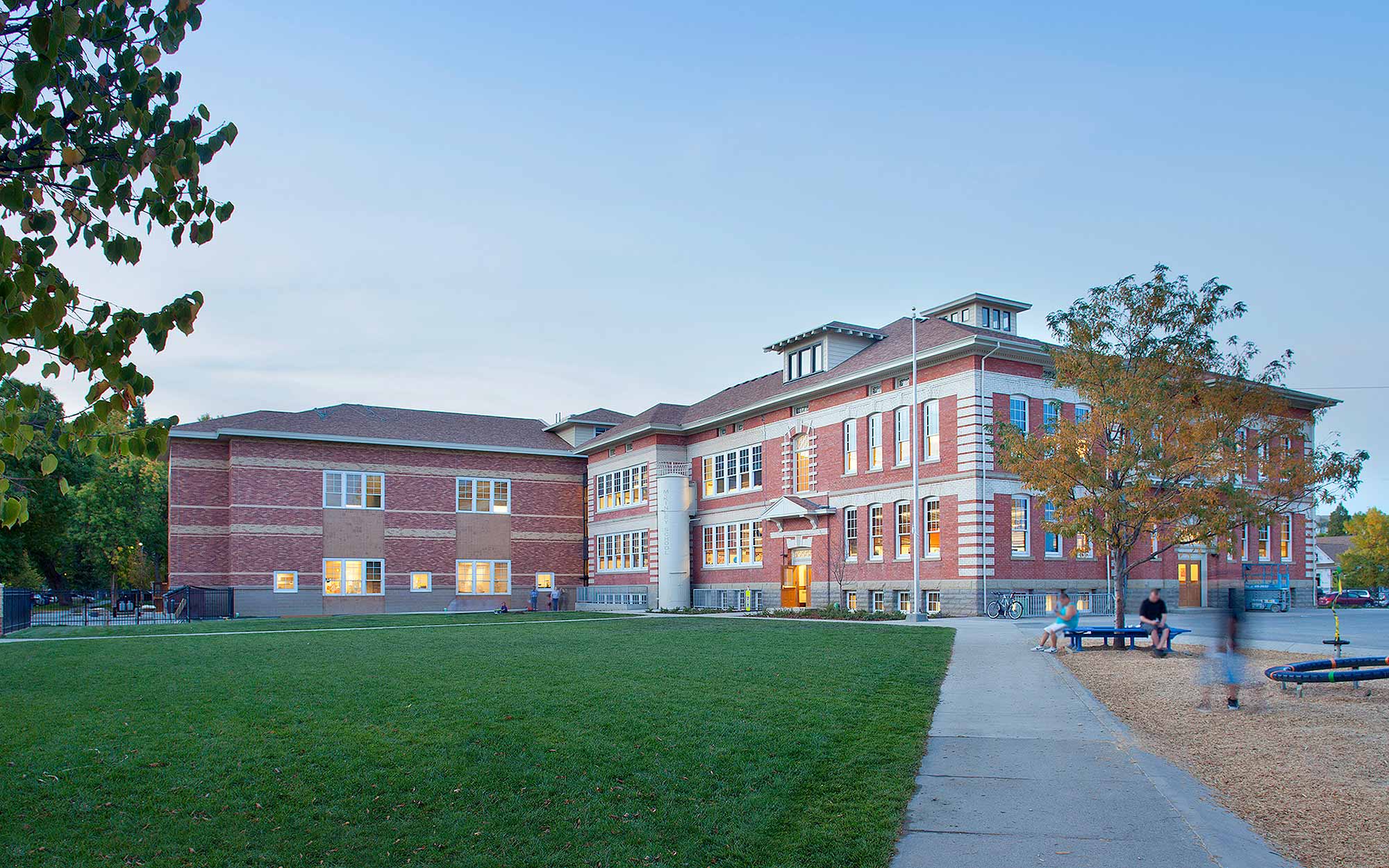
McKinley & Broadwater Elementaries; Billings, MT
Montana Historical Society/State Historical Preservation Office
Orchid Award, Historic Contribution | April 2016
Kimberly School District, L.A. Thomas Gymnasium; Kimberly, ID
Preservation Idaho Orchids and Onions Awards